
Marina Neighbors by Block Evidence
Every source in a Marina block search earns one job. The GIS map reveals parcel shapes and the land around them. The Assessor ties each parcel to an APN and an assessed roll entry. The recorder indexes dated transfers and the parties named in them. Marina Planning and Building files supply project context for permits and proposals. California voter data stays restricted. The city's voluntary community channels are not a certified resident list. That division of labor keeps a Marina neighbor lookup honest. It shows what each record can prove and which access route keeps the evidence lawful.
| Source | What It Shows About a Block | Access |
|---|---|---|
| Marina GIS Parcel Report App | Parcel shapes, APNs, map context, nearby Marina parcels | Visual online map and open-data route |
| Marina assessor parcel result | Assessed owner, situs, values, exemptions, mailing route | APN or assessment number; repeat per Marina parcel |
| Marina recorder index | Dated grantor, grantee, document, and legal-description clues | Current and historical county indexes |
| Marina Planning and Building | Projects, applicants, APNs, plans, zoning, and conditions | CitizenServe, counter, agenda packets, or narrow request |
| Marina voter registration file | Restricted civic geography for an approved purpose | Self-check or Monterey County Elections application |
| Marina voluntary community channels | Public officers, meetings, events, and contact paths | Organization or city contact; no universal Marina member roster |
An official Marina record names an owner or a dated project party. It does not show everyone on the land. One parcel may hold a condominium, an easement, a shared drive, or a wide open tract. Each of those shapes who actually lives nearby. Before treating any result as neighbor evidence, define the block. The parcel record answers a property question, not a household one. Set the Marina block boundary first and read the lookup within it.
Define Marina Neighbors Before Mapping
"Neighbor" covers three different spatial relationships in Marina. A shared-boundary neighbor touches the target parcel directly. A facing neighbor sits across a public street or right-of-way. A radius neighbor falls inside a chosen distance. That distance may cross a block, a development, or a jurisdiction line. Whichever rule applies, write that choice down first. A Marina neighbor lookup works best when the rule is settled before any APN is gathered.
The rule chosen also shapes what GIS can support. Shared boundaries show plainly on parcel polygons. Condominium common areas, though, can blur the legal relationship. A facing relationship needs street context to make sense. A radius requires a measured distance plus a clear reason for it. The county's static GIS description confirms the Parcel Report App exists. It does not verify a named buffer tool or a toolbar label. Nor does it confirm an export control or an exact popup field.
- Marina shared boundary
- A parcel edge touches the target parcel's legal polygon.
- Marina facing parcel
- A parcel lies across a street, alley, or other right-of-way from the target.
- Marina chosen radius
- A stated distance around the address, used only when the measurement and purpose are clear.
- Marina APN
- The assessor parcel number used to repeat a parcel-level check.
Visual closeness alone is not enough in Marina. Large lots, common parcels, rights-of-way, and phased developments can make a map read like a household map when it is really just a land map. The street directory mindset helps here: land records describe parcels, and neighbors are people.
GIS Mapping for Marina Neighbors
Open the Monterey County GIS mapping and open-data page. It reaches the Parcel Report App for Marina. The method stays visual and parcel by parcel. Search for the target, or locate it on the map. Then click its polygon, and record the APN and situs. Pan outward to the Marina parcels next. Match them to the neighbor definition chosen earlier. The county describes the app as able to search, map, and download property information. Confirm the exact live interface controls before naming them. The county's own description stays general.
- Locate the target Marina address and confirm the visible parcel, street context, and municipal setting.
- Record the target Marina APN, situs address, legal-description clue, and the date of the map view.
- Click each shared-boundary or facing Marina parcel and create a separate APN note.
- Repeat the Assessor query for each Marina APN rather than expecting a bulk name or address mode.
- Use Marina Planning or Building records only for a dated project, permit, zoning, or plan question.
A Marina parcel search moves in steps. Start with an address, find the parcel, pull its APN, and check the assessed roll from there. Dated records add the context. One caution: an owner name from a single parcel should never be copied across an entire block. Every parcel in Marina needs its own source, its own date, and its own limits. That discipline keeps a residents directory block study honest.
Note: The Marina GIS page confirms the parcel application, but exact buffer, layer, export, and popup labels remain a live-interface question.
Marina Neighbor Parcels Need APNs
Monterey County's assessor web interface is deliberately built for parcel lookup, not for browsing Marina owner names or street addresses. A block study takes longer this way. It also stays precise. Find the parcel on the map first, note its APN, then open the parcel result. That result can carry assessed ownership, parcel status, tax-rate area, values, exemptions, characteristics, the property address, and a map page. The county cautions that characteristics exist for assessment work and may lag behind reality.
For Marina title questions, turn to the recorder's grantor-grantee indexes. A recorded deed ties a named party to a legal description and a date. It does not prove anyone lives there now. Marina Building plans sometimes help instead. A plan may list the owner or applicant, APN, address, lot dimensions, buildings, property lines, roads, easements, grade, and drainage. Remember it is dated evidence about one project, not a roster of the block.
When a web result will not load, ask the Assessor about counter inspection or a parcel-specific written request. City files run through CitizenServe, the Planning counter, Community Development at (831) 884-1220, or planning@cityofmarina.org. A narrow CPRA request should name the APN or address, the record type, inclusive dates, and the fields you want. The agency has no duty to assemble a block roster for you.
California Voter Files Limit Marina Neighbors
California's voter file is not a ready-made Marina neighbor directory. The Secretary of State offers a status tool. But it is a self-check for one person's registration and election information. The fuller Monterey County file works differently. It requires an application, an original signature, and a copy of current government ID. You must also give precise geography or up to ten named voters, and an approved purpose such as an election, candidate, ballot measure, political, scholarly, journalistic, or governmental use.
Monterey County Elections reviews a Marina request in roughly two to three business days. It then quotes a cost. Approved data arrives on a secure thumb drive or by download. The rules are strict. Commercial or marketing use, harassment, transfer, unapproved reuse, and unsecured publication are all prohibited. Safe at Home and protected-address rules suppress some residences too. Any Marina block map built from voter rolls will keep deliberate gaps.
- The Marina self-check is not a name-only browse.
- A Marina file request must state a permitted purpose and include identity documentation.
- Marina participation history does not reveal a ballot choice.
- Driver-license numbers, Social Security numbers, signatures, and protected Marina addresses are not public roster fields.
The office to contact is Monterey County Elections, 1441 Schilling Place, North Building, Salinas, reachable at (831) 796-1499 or elections@co.monterey.ca.us. That channel serves approved civic data requests. It is not meant for casually identifying every Marina neighbor.
Marina Neighbor Community Contacts
Community channels in Marina work well for meeting dates and public projects. They also cover library programs and voluntary contacts. They are not a residents directory. No authoritative roster of Marina neighborhood associations and their members exists at the city level. For one parcel, Planning can explain which development or recorded declaration applies. The recorder, searched by the correct parcel or party key, surfaces any declaration or covenant. Use each tool for what it actually holds.
| Community channel | What it can offer | How to approach it |
|---|---|---|
| Marina City Council and commissions | Public meetings, agendas, project context, and civic contacts | Use Marina's public meeting and city-service channels |
| Marina Chamber of Commerce | Public business or officer contacts | Use published Marina business information, not a private member roster |
| Friends of the Marina Library and library programs | Voluntary community connections and local-history referrals | Ask the organization or Marina Branch directly |
| Marina school, veterans, and community groups | Public programs or affiliation-specific contacts | Respect each group's own access and privacy rules |
| Marina Planning and recorded declarations | Development, HOA-document, zoning, and parcel context | Ask about the specific APN; do not infer membership |
A voluntary officer page is not a private member list. Calling a public association contact an occupant misstates the record. The same caution applies to claims like these. An organization might be described as covering every parcel in a development. Community context helps. It leaves personal choice intact.
Note: No authoritative Marina citywide association directory was found, so use Planning and recorded declarations for a specific APN.
Marina Neighbor Records for the Block
A Marina neighbor lookup can tempt anyone toward a commercial compilation. It promises a tidy cluster of names. That category is not an official custodian. These sites blend public records with other data. They display stale addresses, merge people with similar names, and drop protected records without notice. A county or state result moves slower. Its fields, dates, and access rules stay visible. That is what a resident lookup should offer.
| Question | Official record route | Commercial category limit |
|---|---|---|
| Which land is nearby? | County GIS parcel map and APN | May flatten parcel boundaries or radius assumptions |
| Who is assessed or recorded? | Assessor result and recorder index, checked per parcel | May mix dates, roles, and addresses |
| What project affected a parcel? | Marina Planning, Building, CitizenServe, or CPRA request | May repeat an unverified address association |
| Which community contact is public? | Organization's own officer or meeting page | Cannot establish private membership |
Anchor every finding to stable public keys and dated citations. The goal is block understanding, not a permanent database of people. Once the question widens from nearby parcels to a full named-street chain, switch tools. The Marina street directory fits that job better. An open-ended neighbor search with no defined purpose serves you worse.
Marina Neighbor License Records
State license portals add context when a public record names a professional or business tied to a Marina block. They are not Marina home-residence sources. The California Department of Consumer Affairs license search returns a licensee, status, dates, a public address, and any discipline links. Treat that address with care. It may mark a business, mailing, or service location. Recasting it as the person's home overreads the record completely.
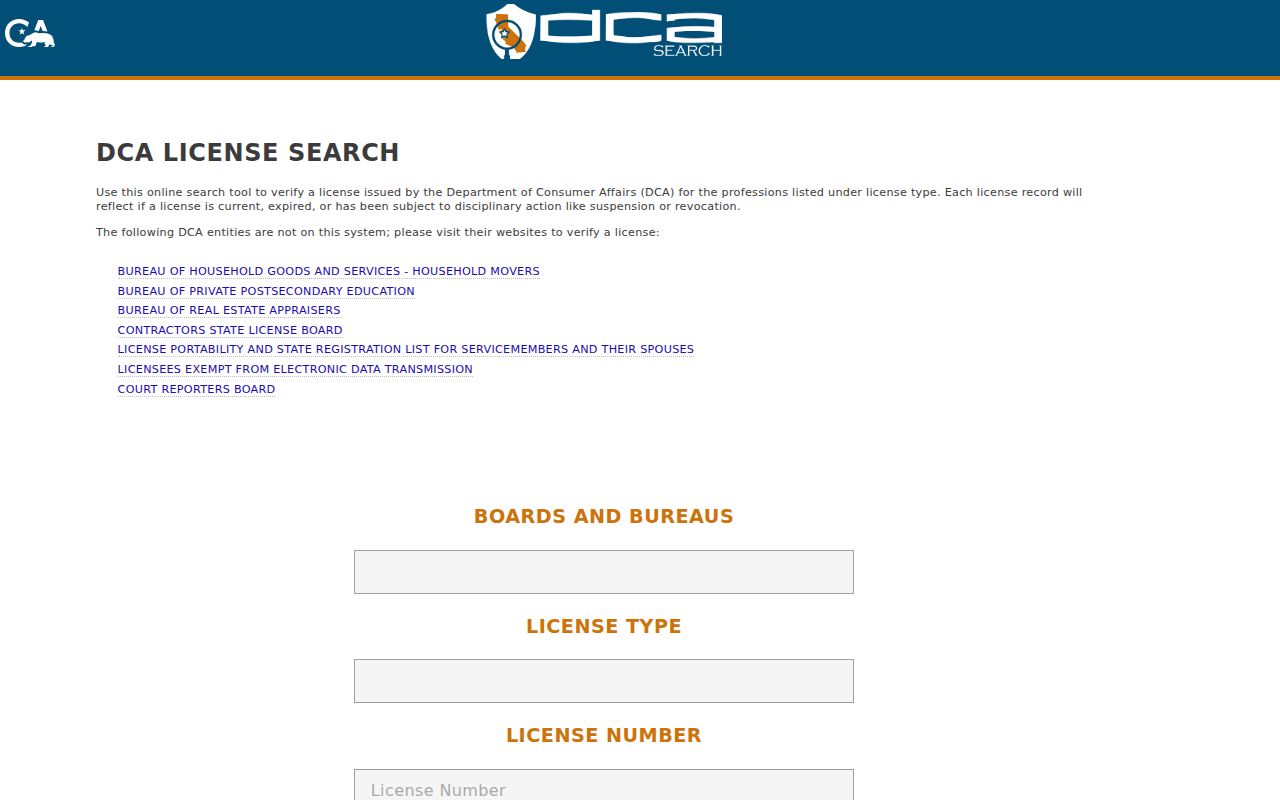
A neighbor workflow uses a professional-license lookup one way. It serves only as an identity or public-status cross-check, proving neither a Marina parcel connection nor current residence. For attorneys, the State Bar attorney license search offers a separate official route. It covers name, bar number, status, and public discipline information.
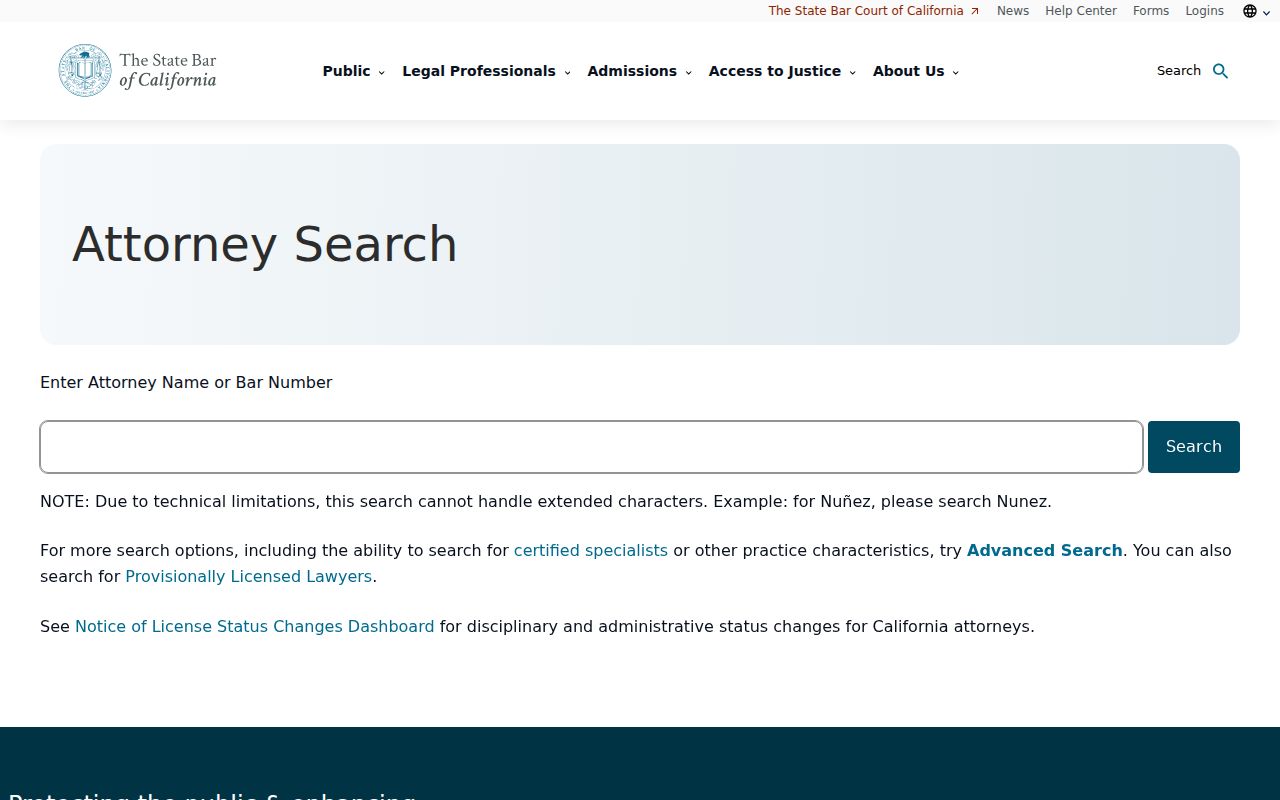
Bar records and parcel records remain two separate evidence streams. Use the bar number to tell similar names apart. Never use the public address to infer a household. The California Megan's Law website is a statutory disclosure source. It carries its own exclusions and strict anti-harassment rules.
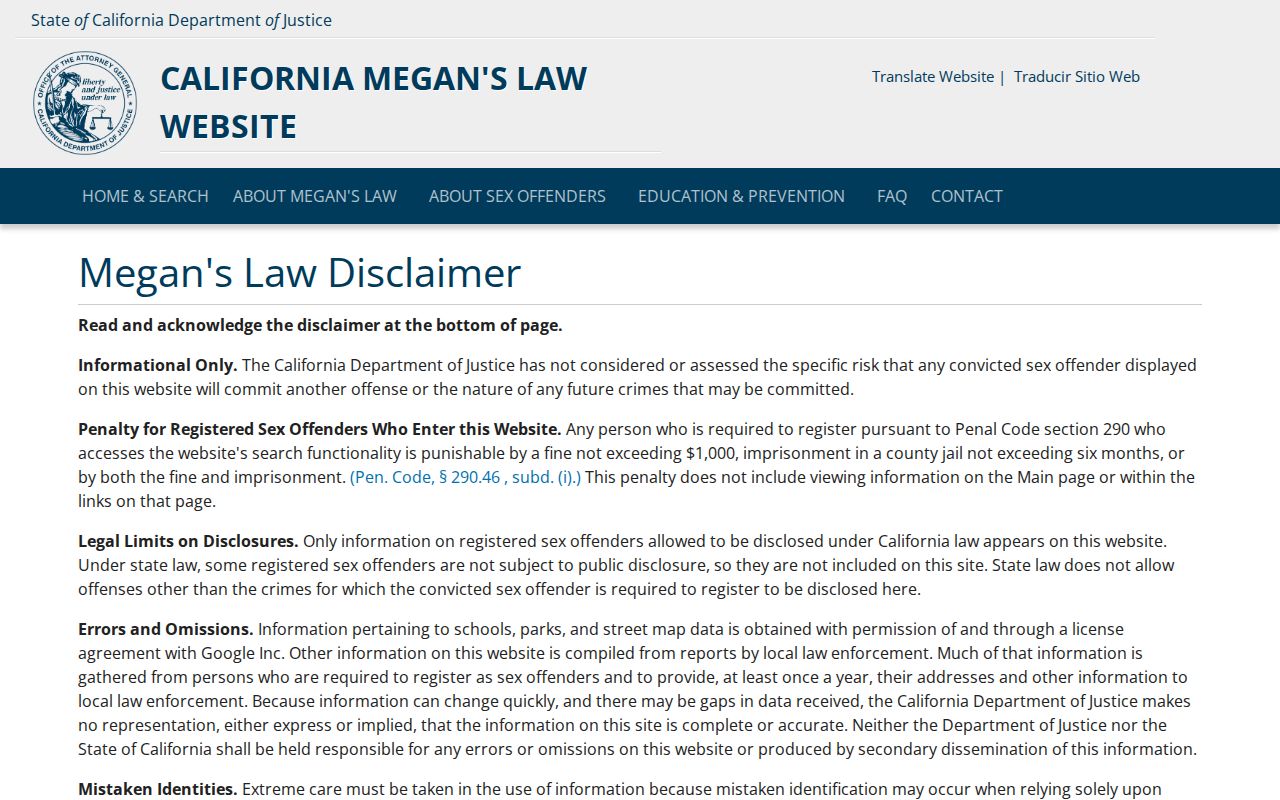
Treat the registry as an official source with firm boundaries. Registry information may not be used to harass. It may not be used to commit a crime. Unsupported claims about a nearby person are also off limits. For trades, the Contractors State License Board lookup supplies a license-specific check. It shows status and classifications when those details are public.
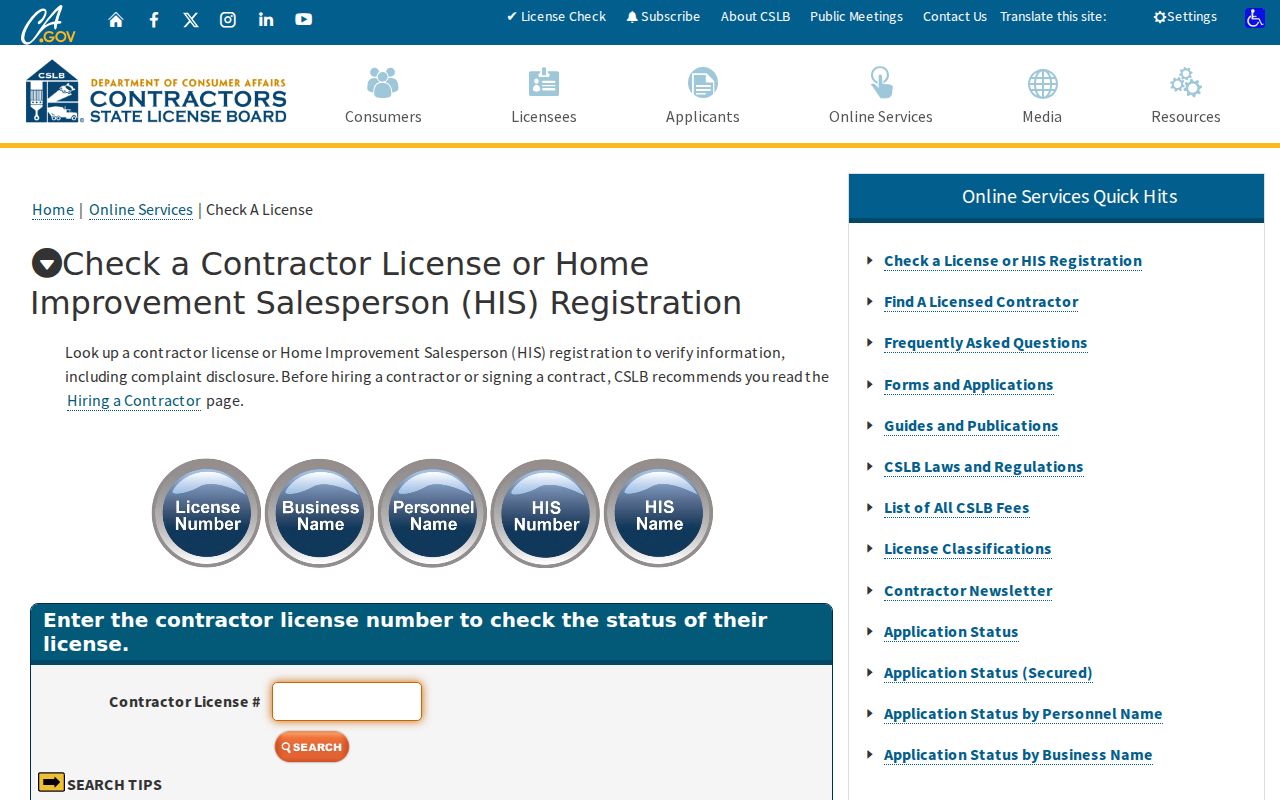
A contractor license proves licensing and nothing more. It is not a residence record. Keep the license number, board, and date with the source, and stop there unless a separate Marina parcel record supports more.
Marina Neighbor Privacy Limits
Household members, family members, guests, and minors never surface through the public parcel chain. Neither do utility customers, delivery records, or protected residents. The county assessor offers no bulk name or address search. DMV data is closed under the federal Driver's Privacy Protection Act. Safe at Home can shield an eligible participant's residence. Sealed or confidential court records stay outside any public Marina block study.
The California Public Records Act reaches specific existing Marina city records. Examples include permit-index entries for an APN and date range. It does not require Marina to build a neighbor directory. Wrong record? Ask the Assessor for parcel facts. The recorder handles an index or instrument issue. Planning or Building covers project data. Elections takes voter-file questions. The publishing organization handles a community contact.
A shared-boundary, facing, or radius rule makes sense only for a legitimate personal, civic, safety, or property question. A map is a research aid. It grants no license to watch, follow, threaten, or publish a Marina block roster.
Lawful use. Use Marina neighbor records to understand public land and community context. California stalking, civil-harassment, voter-data, and registry rules prohibit using public information to harass, intimidate, threaten, or harm anyone.